
Anterior Segment
$15.00
This course is intended for beginner and intermediate levels. This course covers basic to intermediate level information regarding the anterior segment of the eye and is presented online through Eye-Courses.com.
After completing this section the student should be able to do the following:
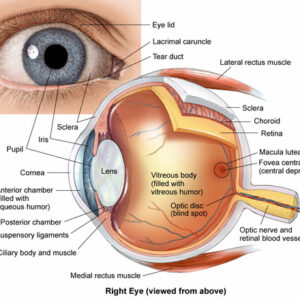
- List the structures that make up the anterior segment
- Identify important elements about each of the 5 layers of the cornea
- Describe the normal endothelial cell count for a healthy cornea
- Explain the 2 purposes of the cornea
- Identify normal and abnormal cornea size and thickness
- List common problems that affect the cornea
- Explain different treatment methods for common corneal problems
- List the 2 important structure and fluid found in the anterior chamber
- Compare the composition of aqueous humor to blood plasma
- Identify the 2 parts to the ciliary body
- List several common problems that affect the ciliary body and the angle
- Explain how the iris muscles relate to pupil size
- Describe pupil response/ reflexes
- Explain how to perform the swinging flashlight test
- Explain what normal pupil reaction versus an APD looks like on the swinging flashlight test
- Describe ways to document pupil function testing
- Identify several characteristics for certain pupil problems
- List the layers of the lens
- Describe several common problems that affect the lens
- Identify ways to characterize cataracts
- Describe different methods of cataract removal
- List tests that are important in the process of cataract evaluation
This course should take approximately 1 hour to complete.
This course has been approved by the AOA Commission on Paraoptometric Certification (CPC) for continuing education credit for use toward paraoptometric certification renewal.
Related products